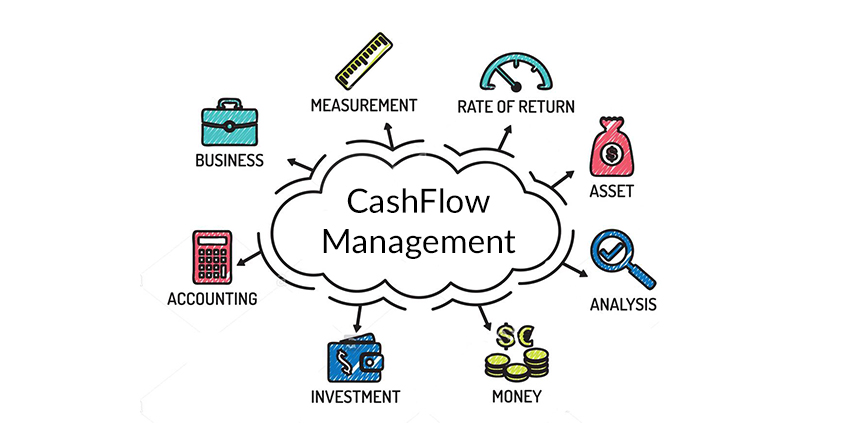
Financial health is the backbone of any successful business. Whether you’re a startup or a well-established company, effective financial management is crucial for sustainability and growth. In this article, we’ll delve into the key components of managing budgets and cash flow to ensure your business’s financial fitness. **1. **Budgeting for Success: Budgeting is the foundation of financial management. Start by creating a comprehensive budget that outlines your projected revenue and expenses. Include both fixed costs (rent, salaries) and variable costs (marketing, supplies). 2. Monitor and Track Expenses: Regularly track your actual expenses against the budgeted amounts. This helps identify areas of overspending or potential cost savings. Modern accounting software can streamline this process. 3. Cash Flow Management: Cash flow is the lifeblood of your business. Ensure you have enough liquidity to cover operational expenses, debts, and unexpected costs. Keep an eye on both incoming and outgoing cash flows. 4. Contingency Planning: Unforeseen events can impact your business’s finances. Establish an emergency fund to buffer against unexpected expenses or economic downturns. 5. Receivables and Payables: Efficient management of accounts receivable (money owed to you) and accounts payable (money you owe) is essential. Timely collections and payments contribute to healthy cash flow. 6. Financial Ratios: Utilize financial ratios like the current ratio (current assets divided by current liabilities) to assess your business’s liquidity and financial health. 7. Pricing Strategy: Set prices that not only cover costs but also generate profit. Consider factors like production costs, competition, and perceived value by customers. 8. Investment and Expansion: When planning to invest or expand, conduct a thorough cost-benefit analysis. Will the investment yield a return that justifies the expense? 9. Debt Management: If your business carries debt, manage it wisely. Aim to pay off high-interest debt first, and explore refinancing options if it makes financial sense. 10. Professional Advice: If financial management isn’t your expertise, consider consulting with a financial advisor or accountant. Their insights can guide you toward informed decisions. In conclusion, mastering financial fitness is essential for the long-term success of any business. By effectively managing budgets, monitoring cash flow, and making informed financial decisions, you’ll be better positioned to navigate challenges, seize opportunities, and ensure the growth and sustainability of your company.
Financial Fitness for Businesses: Managing Budgets and Cash Flow